Some of Mesa's oldest homes sit in the downtown historic districts. The Robson Historic District has a period of significance from 1911 to 1959, and the Wilbur Street area grew from subdivisions created between 1919 and 1922. Homes this age may still have galvanized steel supply lines, or a patchwork of galvanized and later copper repairs. Galvanized pipe, or any pipe over 60 years old, usually means a home is overdue for replacement.
Golden Hills has homes built mostly in the mid-1950s and 1960s. Homes from this era often have original copper, or galvanized that was partly replaced over the years. Rust-colored water and weak pressure at several fixtures at once are the usual signs that the remaining original pipe is near the end.
Dobson Ranch was built between 1973 and 1999 and has nearly 5,000 homes. That range overlaps the years polybutylene was installed in U.S. homes. The national polybutylene settlement covered systems installed between January 1, 1978 and July 31, 1995. Not every home from those years has it, but a quick look at the water heater connections tells you a lot.
Much of east Mesa is newer, and it sits in the Eastern and Southern water zones with harder water on average. These homes are less likely to need a repipe because of age, but hard water still affects fixtures, water heaters, and any copper in the system.



Where your Mesa water comes from depends on your zone. City Zone water comes mainly from the Salt and Verde rivers through the Salt River Project, and it made up about 40 percent of the water Mesa served in 2025. Eastern and Southern Zone water comes mainly from the Colorado River through the Central Arizona Project, about 52 percent of the total. Groundwater from deep wells is blended into every zone at different times of year.
That blend is why hardness varies. Mesa's own report notes that customers can receive a higher share of groundwater depending on utility operations, and its groundwater sources vary in mineral content.
For your repipe, this means two things. First, if you live in the Eastern or Southern Zones, scale is a bigger factor, which favors PEX or a softener paired with copper. Second, whichever zone you are in, the new system will see the same water for decades, so it is worth choosing the material with that in mind rather than on price alone. We will check your zone during the estimate.
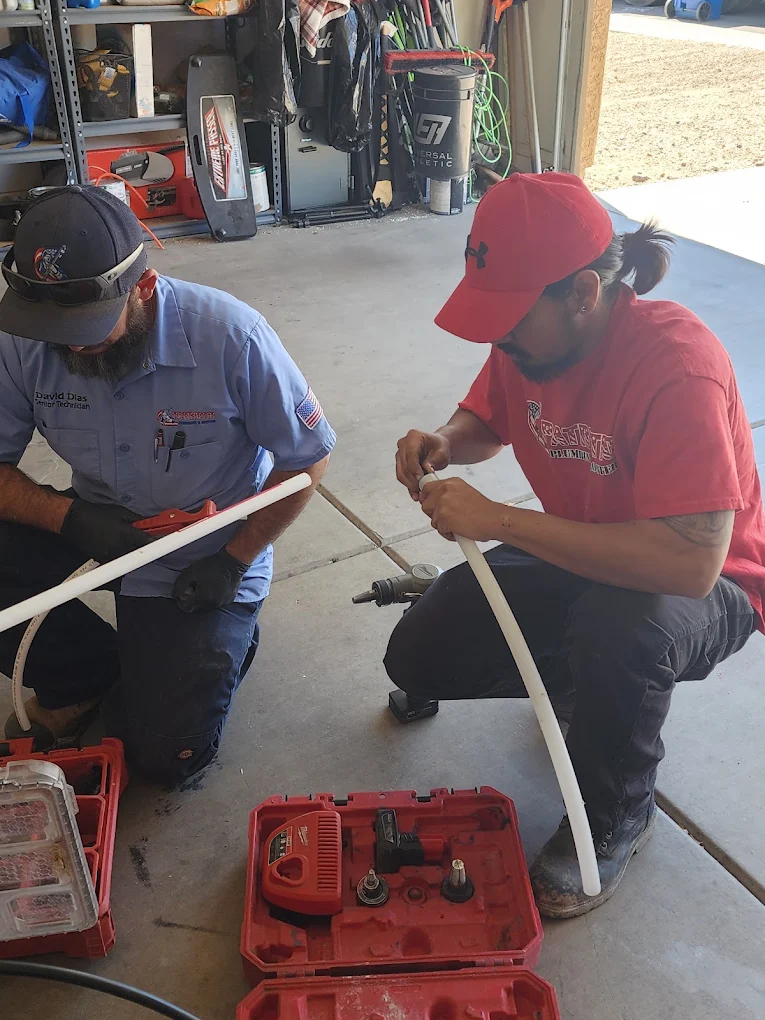
PEX is what we install in most Mesa repipes. It does not corrode, resists scale, and is flexible enough to run through an attic and drop into walls with fewer fittings. In an attic, it needs to be kept out of sunlight and below its 180°F rating at 100 psi, and we plan every route around that.
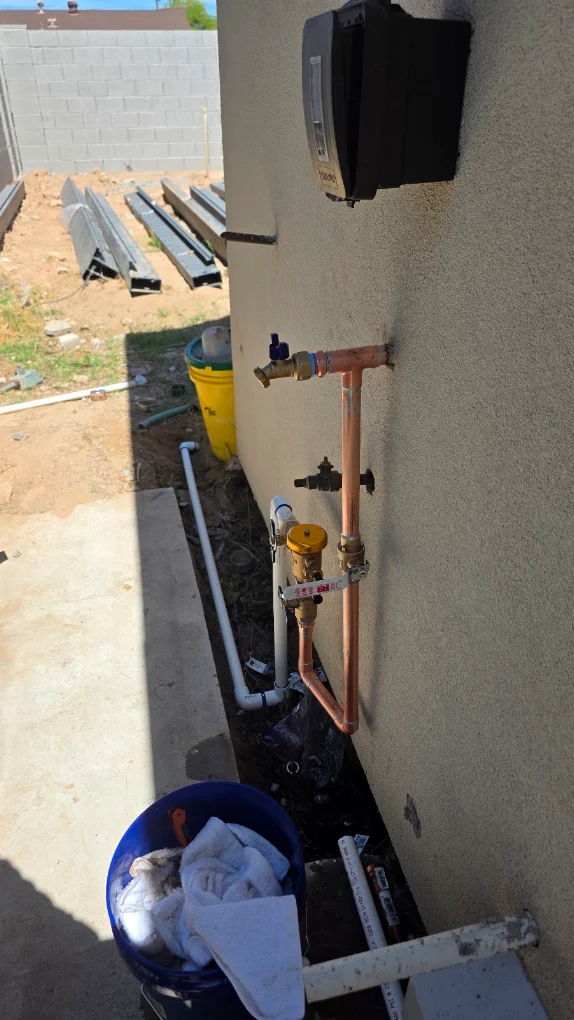
Copper is a good choice for exposed outdoor lines and for homeowners who prefer metal pipe. It costs more to install. For a full side-by-side, see PEX vs Copper: Which Is Better for an Arizona Repipe?.


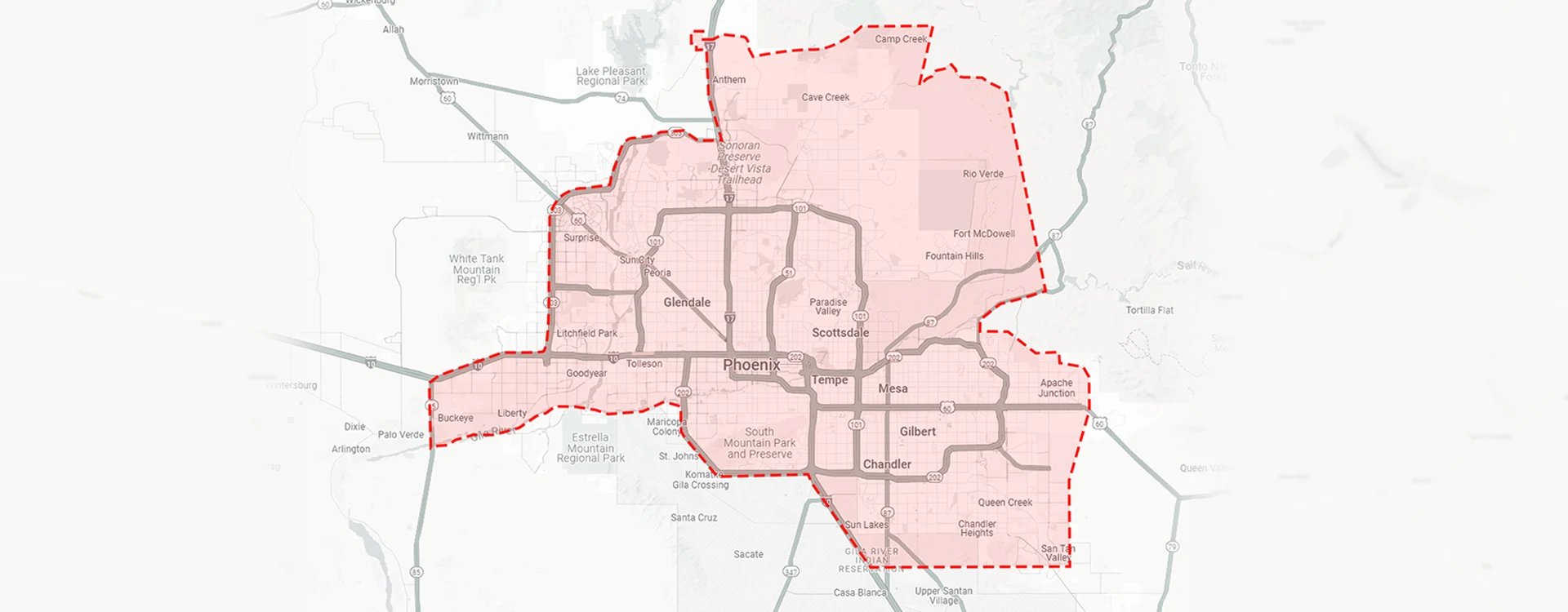
We repipe homes throughout Mesa, including the downtown historic districts, Golden Hills, Dobson Ranch, west and central Mesa near our Broadway Rd office, and east Mesa neighborhoods. For other plumbing work in the city, visit our Mesa plumbing page.
"*" indicates required fields


LOCATIONS:
 Main Office (602) 755-9373 | 2001 W Cheryl Dr Suite B-1, Phoenix, AZ 85021
East Valley (480) 530-8911 | 1826 W Broadway Rd #43, Mesa, AZ 85202
Peoria (623) 244-7644 | 8550 N 91st Ave #11, Peoria, AZ 85345
West Valley (623) 288-3771 | 14208 N 138th Dr, Surprise, AZ 85379