


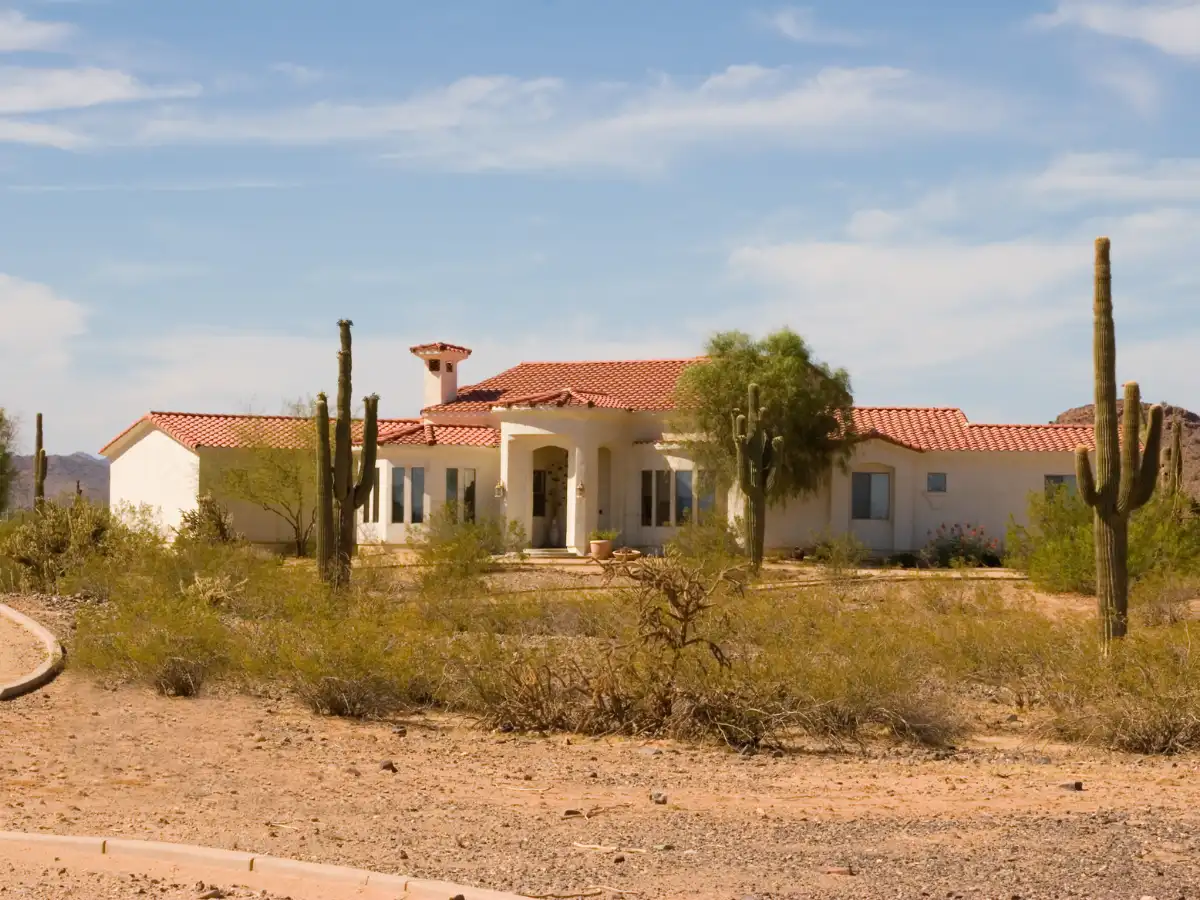
If you’ve lived in the Valley of the Sun for any length of time, you know that our dirt isn’t exactly “dirt.” It’s more like a living entity. Depending on the season, it’s either bone-dry and cracked or saturated and heavy.
While most Phoenix homeowners worry about what this does to their foundation or their landscaping, there’s a silent victim buried several feet underground: your sewer line.
If you’re dealing with recurrent backups, or you’ve had a plumber out to “snake the line” three times in the last year, you don’t have a clog problem – you likely have a soil problem.
Let’s dive into why Arizona’s expansive clay is so hard on plumbing and why a permanent, trenchless solution is the only way to stop the cycle.
What Is Expansive Clay Soil?
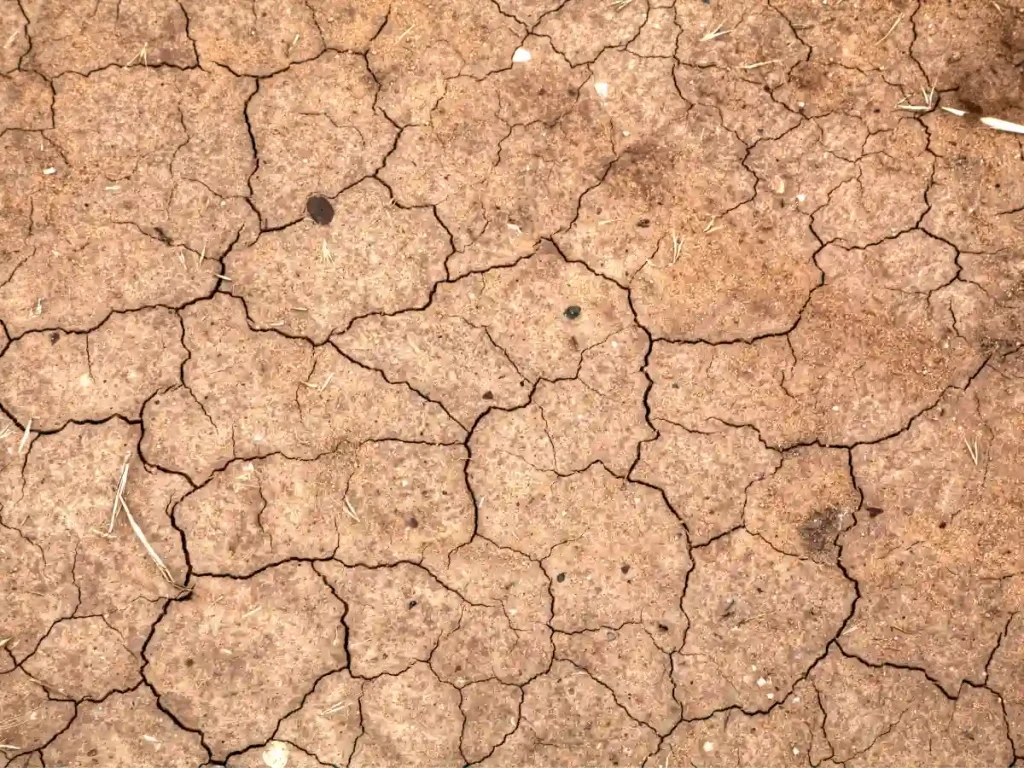
Expansive clay is a specific type of soil that acts like a geological sponge. It contains minerals – primarily bentonite – that physically swell when they absorb water and shrink when they dry out.
In a laboratory setting, some of these clays can expand by as much as 10% or more in volume. In your front yard, that expansion translates into thousands of pounds of pressure per square foot exerted against your buried sewer pipes.
Why Clay Soil Is Common in Phoenix and Surrounding Areas
Phoenix sits in a prehistoric basin. Over eons, runoff from the surrounding mountains deposited fine silt and clay minerals throughout Arizona. This is why neighborhoods in Central Phoenix, Scottsdale, and Mesa are notorious for “soil heave.”
Unlike the sandy soil found in other deserts, our clay holds onto moisture from monsoons and irrigation systems. This creates a cycle of violent expansion and contraction that rigid plumbing materials simply weren’t designed to handle.
How Expansive Soil Causes Sewer Line Damage Over Time
Your sewer line relies on a precise “slope” to move waste using gravity. When the earth moves, that precision is lost. Here is how clay soil plumbing damage in AZ typically manifests:
- Heaving and Bellies: As clay swells, it pushes sections of pipe upward. When it dries and shrinks, the pipe drops. This creates “bellies” or low spots where waste sits, leading to chronic clogs.
- Joint Shearing: Older pipes (clay tile or cast iron) were installed in short segments. When the ground shifts, these segments move in opposite directions, “shearing” the joint and creating an open gap.
- Crushing Pressure: The sheer weight of wet, expanded clay can collapse an aging pipe that has been weakened by corrosion.
Warning Signs of Clay Soil Plumbing Damage in AZ
You don’t need to dig up your yard to know you have a problem. If your home is built on expansive clay, watch for these red flags:
- Frequent Clogs: If you’re snaking your drains more than once a year, your pipe has likely lost its slope or developed a “belly” that catches debris.
- Sewage Smells: That “rotten egg” odor in your yard or bathroom means shifting soil has likely cracked a pipe or joint, allowing gases to vent.
- Lush, Green Patches: A broken pipe acts as an underground fertilizer. If one area of your grass is suspiciously greener than the rest, it’s feeding on a leak.
- Soggy Spots or Sinkholes: Persistent wet spots in the desert – especially when it hasn’t rained – indicate a line that has finally given way to soil pressure.
- Cracks in Slabs or Driveways: If the soil is moving enough to crack your concrete, it is almost certainly pulling and twisting the pipes buried beneath it.
Why Traditional Sewer Repairs Often Fail in Clay Soil
The traditional fix – digging a trench and replacing a section of pipe – is often a waste of money in Arizona. Why? Because you are putting a rigid patch back into the same unstable soil that broke the original pipe.
Furthermore, digging a trench disturbs the “compaction” of the soil. When you fill that hole back up with loose clay, it becomes even more prone to shifting and sinking during the next rain. Within a few years, the “accordion effect” of the soil usually breaks the pipe right at the point where the new repair meets the old line.
Best Trenchless Sewer Repair for Soil Movement in Phoenix
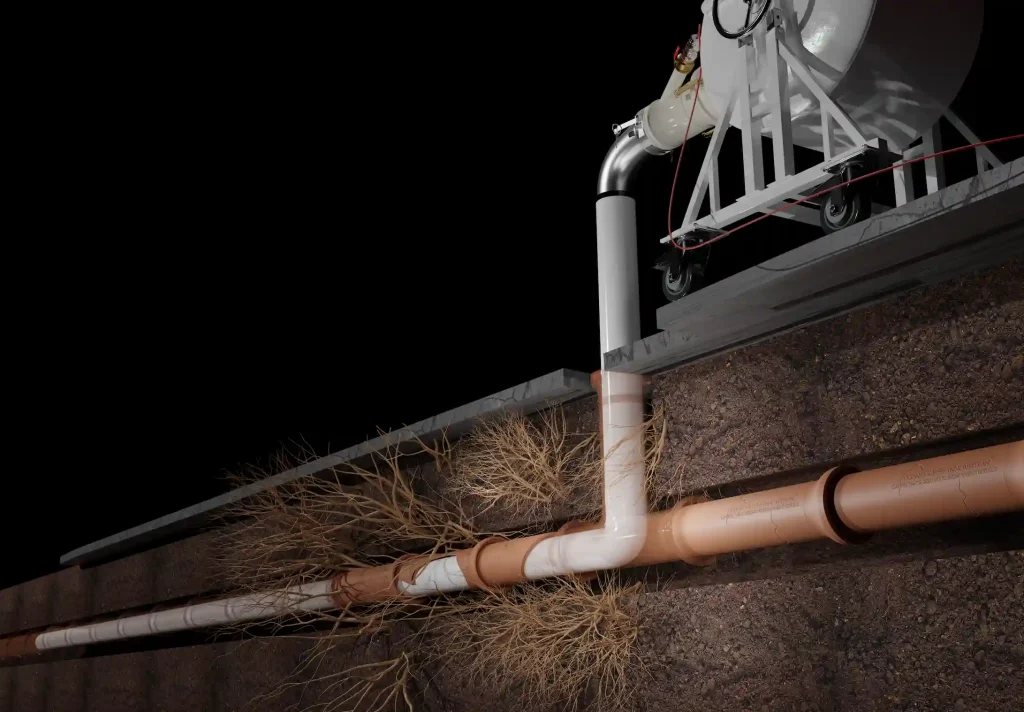
The only way to beat expansive soil is to install a long-lasting pipe that doesn’t have weak points. Here are the three most effective trenchless sewer repair methods for soil movement in Phoenix:
1. Cured-in-Place Pipe (CIPP) Lining
Often called “pipe relining,” this is the most popular trenchless method in Arizona for sewer line problems.
With CIPP lining, we insert a flexible, resin-saturated felt tube into your existing pipe. Once in place, we inflate it and use heat or UV light to “cure” the resin. This creates a seamless, jointless “pipe within a pipe” that can last 50+ years.
Because it is one continuous piece, soil shifts can’t “shear” the joints like it does with traditional sectional pipes.
2. Pipe Bursting
If your existing sewer line is severely collapsed or you need to increase the pipe size, pipe bursting is the answer.
With pipe bursting, we pull a heavy-duty, cone-shaped “bursting head” through your old line. This head physically shatters the old clay or cast iron pipe and pushes the fragments into the surrounding soil.
Simultaneously, it pulls a brand-new, high-density polyethylene (HDPE) pipe behind it. HDPE is incredibly durable and has the flexibility to handle the Valley’s soil movement without cracking.
3. Epoxy Pipe Lining
For damaged pipes with smaller diameters or those with multiple bends that might be difficult to line, internal epoxy coating is a great solution.
We use a specialized machine to spray or brush a food-grade epoxy resin onto the interior walls of your existing pipes. This creates a smooth, barrier-like finish that seals pinhole leaks and cracks caused by soil shifting.
This method effectively prevents erosion and stops tree root infiltration through soil-stressed joints.
Schedule Your Sewer Line Inspection Today
Our harsh desert climate demands infrastructure that can handle extreme heat and shifting earth. So if you are tired of the “snake and pray” method of plumbing maintenance, it’s time for a permanent solution.
Our high-definition camera inspections show you exactly where the clay soil plumbing damage in AZ has compromised your line. This way, you can fix it with reliable trenchless techniques like pipe lining once and for all.
Stop Letting the Arizona Ground Take Control
Schedule Your Trenchless Sewer Line Inspection & Free Consultation Today



 Main Office (602) 755-9373 | 2001 W Cheryl Dr, Ste 1B, Phoenix, AZ 85021