


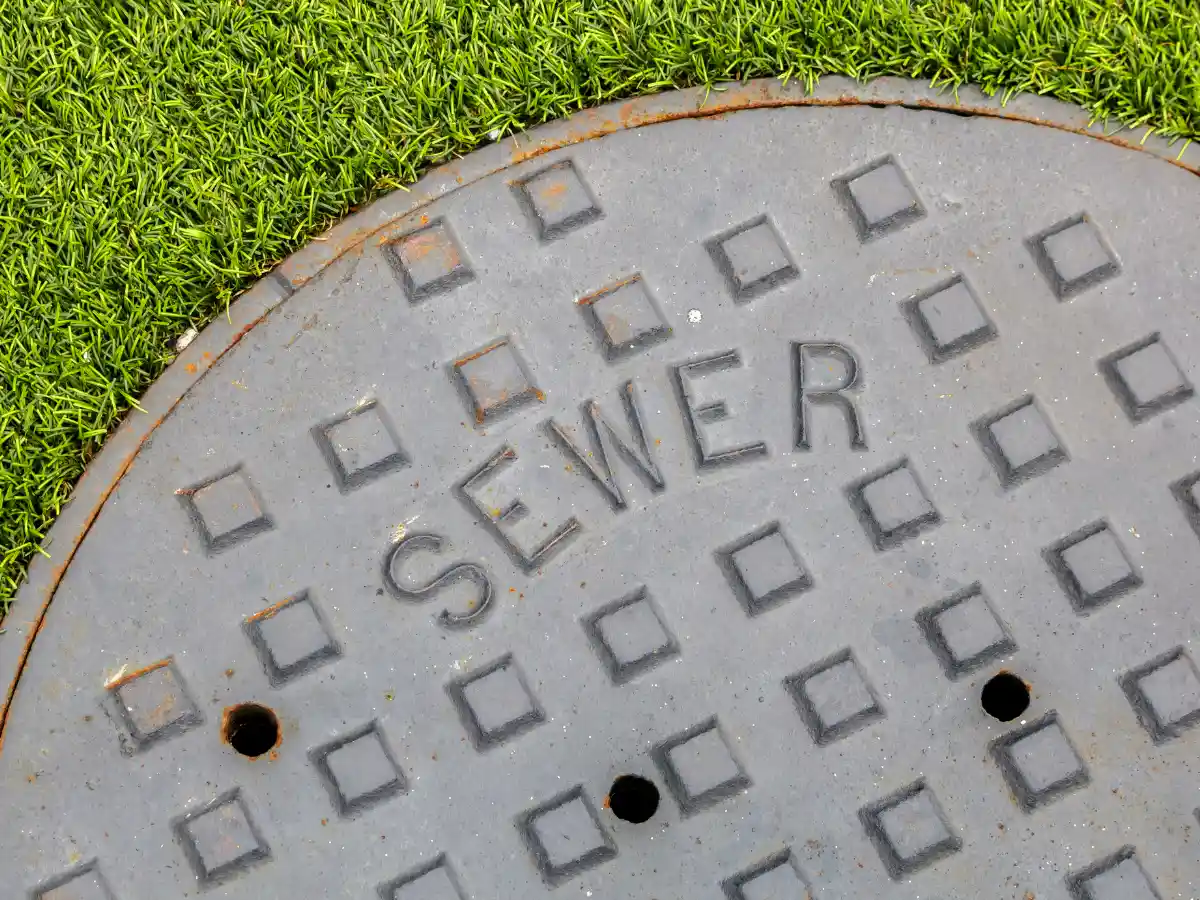
If your drains are slow, no matter how many times they get cleaned, there is a good chance the problem is not inside your house.
In Phoenix, one of the most common hidden sewer issues we see is a sewer line belly. It is usually caused by soil movement, heat, and aging pipes. Once it forms, it will keep collecting waste until it is properly repaired or you get a replacement.
Let’s break down what it is, why it happens so often here, and how to fix sagging pipes in AZ.
What Is a Sewer Belly?
A sewer line belly is a low spot in your sewer pipe where the flow of wastewater is interrupted and instead collects in a low spot. Think of it like a dip in a garden hose. Over time, solids accumulate in that affected section, causing frequent clogs.
This is not a blockage you can snake away and call it a day. Even if the pipe gets temporarily cleared, the belly stays. As long as that sag exists, sewage waste will keep slowing down, backing up, and causing problems.
Why Are Sewer Line Bellies in Phoenix Common?
Phoenix homes deal with conditions that make sewer pipes shift more than in other parts of the country. Many neighborhoods were built decades ago with clay, cast iron, or early PVC piping. Those materials are rigid and do not handle movement well.
Between soil changes, temperature swings, and settling ground, pipes slowly lose their original slope. When that happens, gravity stops doing its job. This is why sewer line bellies in Phoenix show up so often during camera inspections, especially in older homes.
What Causes a Belly in a Sewer Line to Form?
- Expansive clay soil – Swells when wet and shrinks when dry, shifting pipes over time
- Heat and temperature changes – Pipes expand and contract in Phoenix’s extreme heat
- Improper pipe installation – Pipes with insufficient slope or poor bedding are prone to sagging
- Aging or rigid pipes – Older cast iron, clay, or early PVC pipes can lose shape and support
- Ground settling or erosion – Soil beneath the pipe can wash away or compress unevenly
- Heavy landscaping or surface loads – Tree roots or extra weight on top of the pipe can push it downward
How Phoenix Soil and Heat Create Sagging Sewer Pipes
The ground under Phoenix homes is not stable year-round. Much of the area has expansive clay soil that swells when wet and shrinks when dry. During the monsoon season, the soil expands. During long dry stretches, it pulls back. That constant movement pushes and pulls on buried pipes.
Heat plays a role, too. Extreme summer temperatures cause pipes to expand slightly during the day and contract at night. Over the years, that stress adds up. The soil shifts, the pipe loses support, and a sag forms.
Soil Type Comparison
| Soil Type | How It Behaves | Impact on Sewer Pipes |
|---|---|---|
| Phoenix Clay / Expansive Soil | Swells when wet and shrinks when dry | Pushes and pulls on pipes, causing loss of slope and sagging |
| Stable Sandy or Loamy Soil | Drains well and stays relatively consistent | Pipes remain supported and maintain proper flow |
Warning Signs of a Sewer Line Belly in Phoenix
A sagging sewer pipe does not always fail all at once. Most homeowners see warning signs long before a full backup happens.
Common signs and issues to look out for include:
- Drains that stay slow even after cleaning
- Repeat clogs in the same fixtures
- Gurgling sounds from the sink, toilets, or drains
- Sewer odors inside or around the yard
- Water backing up in tubs or showers
Notice Any of These Plumbing Issues? It’s Time to Take Action.
Fix Sagging Pipes in AZ With the Experts
Best Ways to Fix Sagging Pipes in AZ
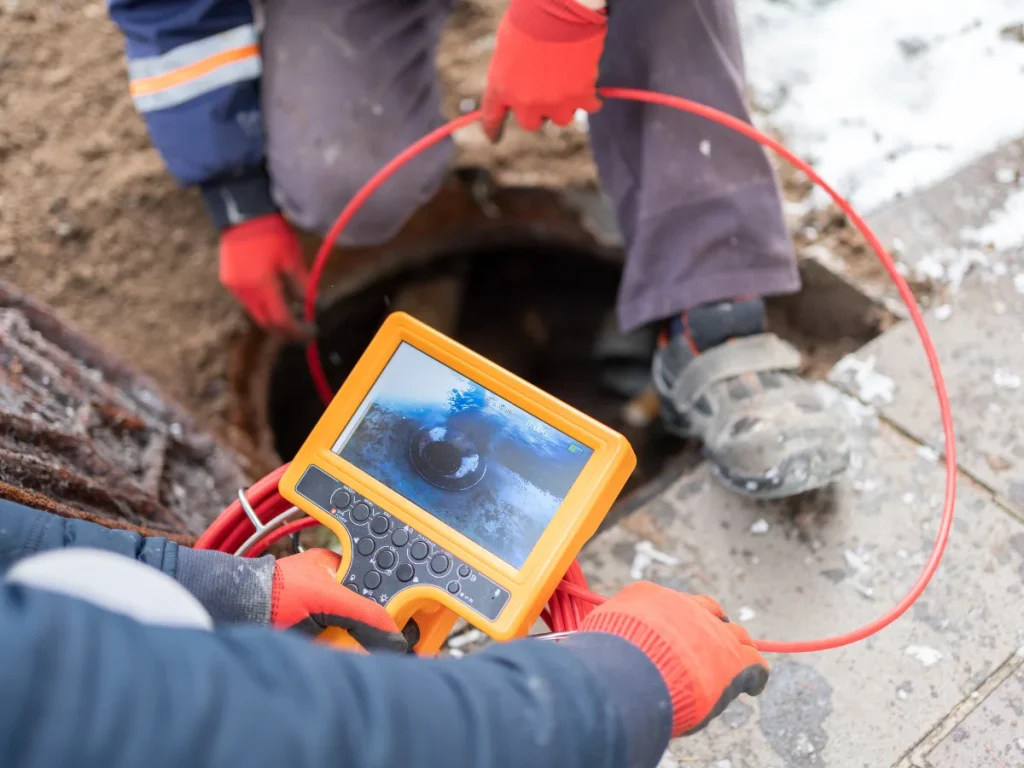
Once a sewer line belly is confirmed, the repair needs to address the loss of support under the pipe, not just the blockage sitting inside it. Inadequate planning and temporary fixes like snaking or chemical treatments will not solve the problem.
Below are the best ways to repair bellied sewer pipes:
Sewer Camera Inspection Before Repair
Every trenchless repair starts with a sewer camera inspection. This allows plumbers to measure the depth of the belly and determine which trenchless method will work. Skipping this step can lead to the wrong repair choice and wasted money!
Trenchless Pipe Lining
Trenchless pipe lining repairs the sewer line from the inside using a flexible resin liner. Once cured, it forms a smooth, durable pipe within the existing one. This improves flow and helps prevent waste from settling in shallow low spots.
Pipe lining works best when the belly is minor and the surrounding pipe structure is still intact. It is a popular option for Phoenix homes because it avoids tearing up yards, driveways, or concrete slabs.
Trenchless Pipe Bursting
Pipe bursting is used when the sewer line has severe damage or long-term sagging that cannot be reinforced from the inside.
With this method, a new pipe is pulled through the old one, breaking it apart underground while following the same path. This method replaces the pipe entirely while keeping excavation to a minimum.
Don’t Let a Sewer Line Belly in Phoenix Catch You Off Guard
Sewer line bellies may start small, but they can quickly lead to recurring backups, foul odors, and costly repairs if left unchecked. So if you spot the signs, you know what to do. It’s time to schedule a camera inspection for your pipes!
A professional sewer camera inspection can pinpoint the problem, show the severity of any sag, and determine which trenchless repair method is the best solution for your home.
Get the smooth flow your home deserves. Contact us to schedule your camera inspection today!



 Main Office (602) 755-9373 | 2001 W Cheryl Dr, Ste 1B, Phoenix, AZ 85021