


If you’ve ever caught a whiff of something foul in your home and can’t quite place it, don’t ignore it. That “rotten egg” or sulfur smell could be sewer gas escaping from your plumbing system.
Sewer gas leaks can pose real risks to your health and safety. At Patriotic Plumbing & Rooter, we’ve seen how bad it can get when small leaks go unchecked.
Let’s break down how to detect, understand, and prevent harmful sewer gas line leaks in your Phoenix home.
Suspect a Leak Near Gas Lines and Appliances?
Contact Emergency Services Today
Is Sewer Gas Flammable? The Dangers of Gas Leaks
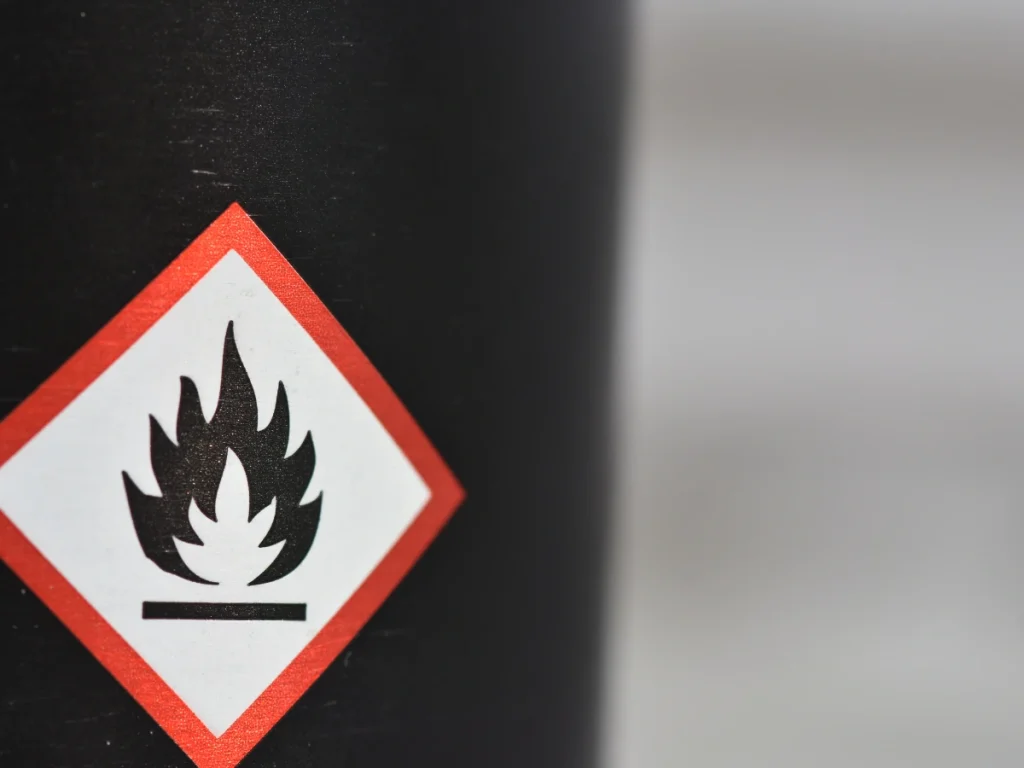
Yes. Sewer gas is flammable, and that’s one reason it’s so dangerous. It’s not something you can or should try to “air out.”
This gas is made up of several components, but the two most concerning are methane and hydrogen sulfide. Both can ignite if they come into contact with an open flame, spark, or even static electricity. It doesn’t take much for that to happen near a water heater, pilot light, or electrical outlet.
Beyond being flammable, sewer gas can also cause serious health symptoms. Prolonged exposure can lead to headaches, nausea, dizziness, or even asphyxiation in severe cases.
6 Common Causes of Sewer Gas Leaks in Phoenix Homes
Phoenix homeowners deal with unique plumbing challenges. The dry climate, hard water, and shifting soil can all take a toll on your sewer lines.
Here are some of the most common causes of sewer gas leaks we find in local homes:
Dry or Empty P-Traps
Every drain in your home has a P-shaped bend in the pipe called a P-trap. It holds a small amount of water that acts as a seal, keeping sewer gases from coming back up through the drain.
When a drain isn’t used for a while, like a guest bathroom, basement floor drain, or utility sink, the water inside that trap can evaporate. Once it’s dry, nothing stops the gas from leaking into your home.
Cracked or Damaged Sewer Pipes
Underground sewer lines take a beating over time. Temperature shifts, soil movement, and even tree roots can cause cracks or misalignments. Once that happens, sewer gas can escape through the damaged section and find its way into your home through the soil or foundation.
Because these leaks are hidden, they often go unnoticed until the smell becomes strong or you see signs of a backup.
Blocked or Improperly Installed Vent Pipes
Your plumbing system uses vertical vent pipes that often run through your walls and up to the roof to equalize air pressure and safely release gases outdoors.
If these vents are blocked by leaves, debris, or even a bird’s nest, those gases have nowhere to go but back through your drains. In other cases, older homes may have vents that were installed incorrectly or are undersized for the system.
Loose Pipe Connections or Worn Seals
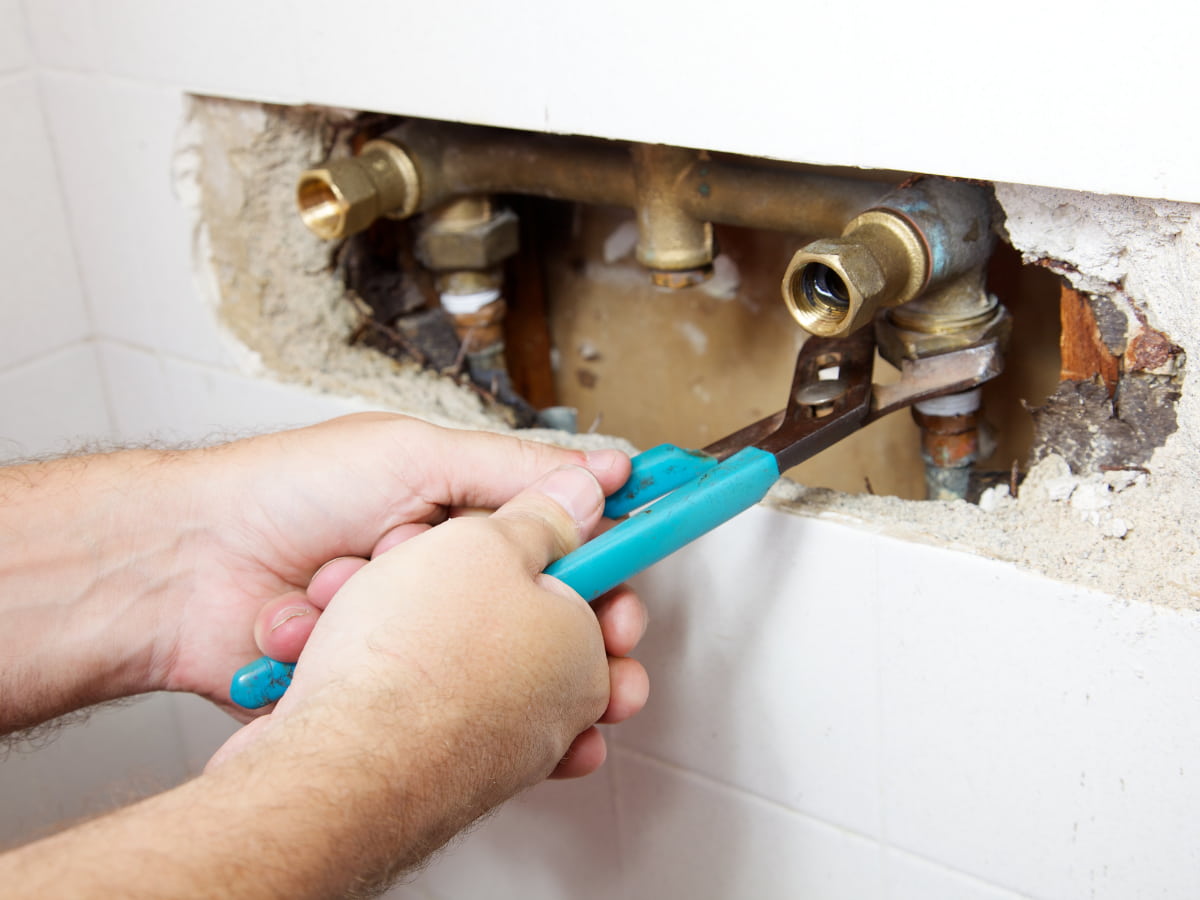
Your home’s drain pipes are connected by gaskets, seals, and fittings that keep everything airtight. Over time, those seals can dry out, shift, or crack due to vibration or water pressure changes. Even a small gap around a fitting can allow sewer gas to escape.
You might notice the smell most around sinks, toilets, or under cabinetry where pipes are exposed. If tightening connections doesn’t help, it’s best to bring in a plumbing repair expert to check the seals and replace any worn components.
Tree Root Intrusion
Phoenix homeowners often don’t think about tree roots when it comes to plumbing, but they’re one of the most common hidden causes of sewer problems. Roots naturally grow toward moisture. If your sewer line has even a tiny crack, those roots will find their way in.
Once inside, they can cause clogs, slow drains, and even pipe separations, all of which create openings for sewer gas to escape underground. Over time, the damage can lead to full pipe collapse.
Signs of a Gas Leak

Because sewer gas is flammable, finding the leak early helps prevent serious safety hazards and protects your home from potential fire risks. If you notice any of these signs, call an emergency plumber right away.
Common signs of a gas leak:
- A strong rotten egg or sulfur smell near drains or toilets
- Gurgling or hissing sound coming from sinks, tubs, or toilets
- Water in the drains keeps disappearing or looks very low
- Headaches, dizziness, or feeling sick while indoors
- Foggy windows or unusual condensation near plumbing areas
- Increased pest activity near drains (like flies or roaches)
- The smell gets worse after flushing or running water
How to Quickly and Safely Detect a Sewer Gas Leak
If you’ve noticed any of the warning signs above, you can do a few simple checks before calling for help. These steps can help you locate the source so that you can tell the emergency responders.
- Check for Odors in Different Areas. Walk through your home and note where the sulfur-like smell is strongest. It can be in the kitchen, bathrooms, or laundry room. Concentrated odors will lead you to the source of the leak.
- Listen for Gurgling or Bubbling Sounds. When toilets or sinks gurgle, it usually means trapped air or a venting problem. You may also hear a hissing instead of a gurgling sound when sewer gas is pushing through the system instead of venting outdoors.
- Inspect for Dry or Low P-Traps. Look inside the floor and shower drains. If they’re dry, pour some water down to refill them. A dry P-trap is one of the easiest fixes and can stop gas from escaping instantly.
- Schedule a Professional Smoke Test. If the smell persists, it’s time for a plumbing smoke test. This safe, non-toxic method sends light smoke through your system to reveal cracks, gaps, or faulty seals.
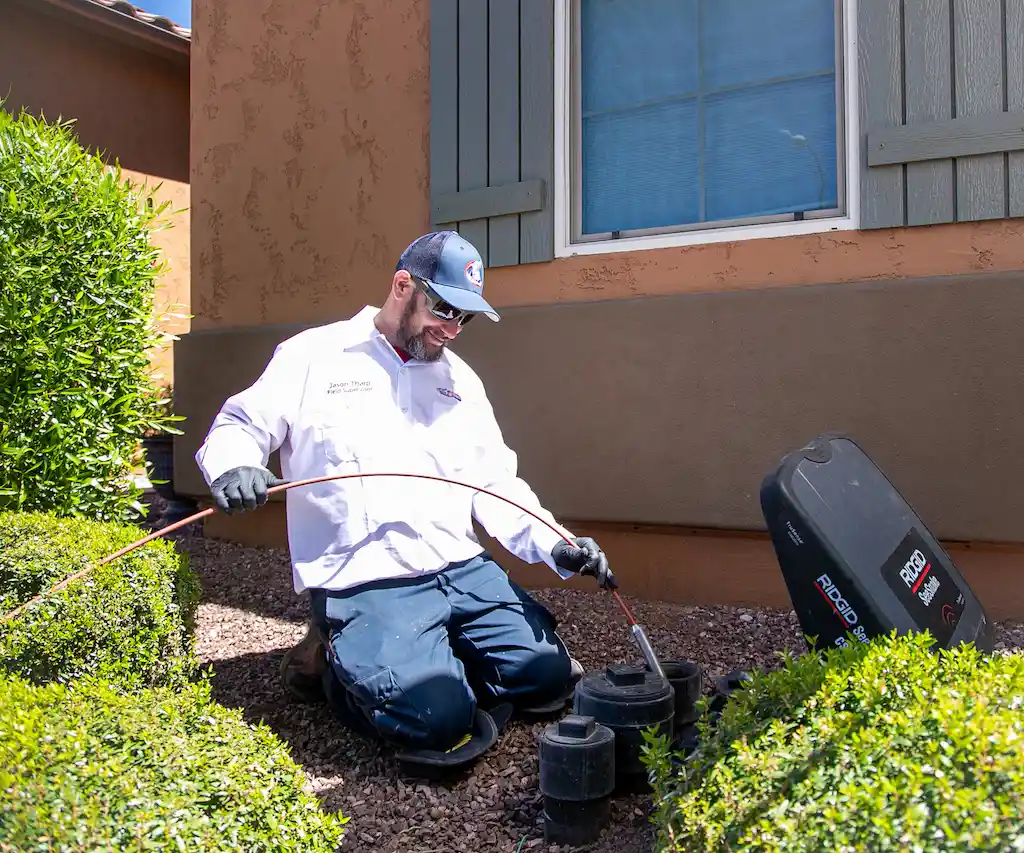
- Get a Camera Inspection for Hidden Leaks. For underground or hard-to-reach lines, a plumbing camera inspection can visually identify damage inside your pipes. It’s fast, accurate, and avoids unnecessary digging.
Looking for a Non-Invasive Sewer Camera Inspection in Phoenix?
Schedule an Inspection Today
Safety Measures to Avoid Gas Leaks
Now that you’re aware that sewer gas is flammable and can cause serious health issues, it’s time to take these steps to prevent putting you and your family at risk.
- Run water in unused drains once a month to keep traps filled.
- Check your drain vents to make sure they’re not blocked by debris or pests.
- Schedule annual drain cleaning to clear out buildup that can cause backups or pressure changes.
- Reseal joints and fittings when you notice leaks or corrosion.
- Get your plumbing system inspected every year, especially in older homes or properties with large trees nearby.
Protect Your Home and Your Family With Patriotic Plumbing & Rooting
Sewer gas is flammable, and that’s why leaks are nothing to take lightly. Recognizing the signs is only the first step, and when you do, that’s your cue to call a professional plumber.
At Patriotic Plumbing & Rooter, our certified technicians conduct professional gas leak detection services using advanced smoke testing, high-definition camera inspections, and modern trenchless repair solutions. We’ve handled countless gas and sewer line issues in homes in Phoenix, and we know how to safely and efficiently handle them like it’s the back of our hand.
If you suspect a sewer gas leak, call us immediately. We’ll respond as swiftly and effectively as possible.
Call Our 24/7 Emergency Line