


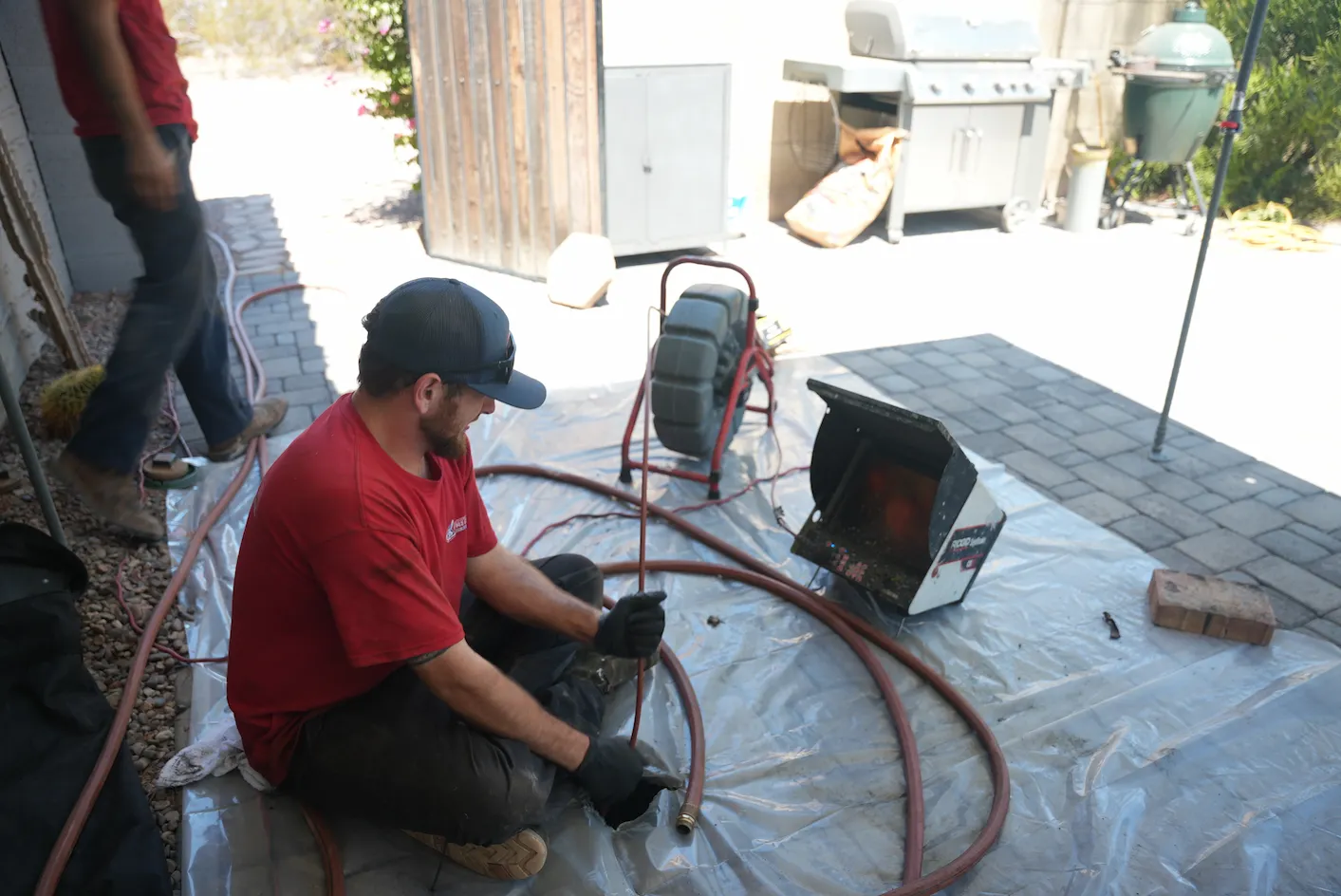
Are your drains backing up, or does your yard suddenly smell like sewage? The real problem might be hiding underground.
In Phoenix, the soil is often the culprit. It expands in the heat, contracts during dry spells, and shifts every time the monsoon rolls through. Over time, that movement can bend, crack, or collapse your pipes.
That’s why trenchless Arizona repairs have become more in demand compared to traditional methods. Instead of tearing up your yard, trenchless technology allows you to work beneath the surface. This method is built for the Valley’s demanding soil conditions.
Let’s dig into it.
Experiencing stubborn sewer line issues? Check the extent of the damage ASAP.
Why is Phoenix Soil Tough on Plumbing Systems?
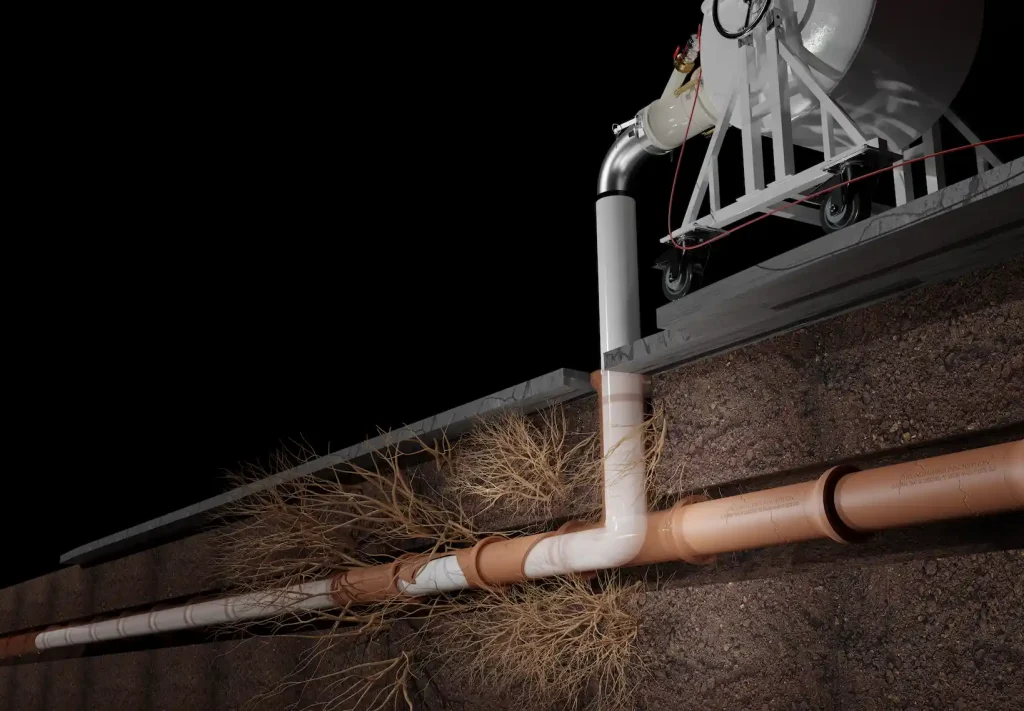
The ground beneath Phoenix isn’t as harmless as it looks. Beneath the desert landscape lies a mix of clay, caliche, and sand that constantly moves and shifts.
Here’s a closer look at how Phoenix soil affects plumbing:
1. Expansive Clay That Swells and Shrinks
Phoenix is full of expansive clay. During monsoon season, the soil soaks up moisture like a sponge, pressing hard against underground pipes. Once the heat returns, it dries and shrinks, leaving small air gaps that cause the pipes to sag or crack.
This continuous push-pull is one of the top causes of expansive soil pipe damage, and it’s why so many homeowners experience leaks even without visible surface issues.
2. Caliche Layers That Trap Moisture
Many areas in the Valley sit on a hard caliche layer – almost like buried concrete. While this layer provides support, it also traps water above it.
When that moisture builds up, it creates uneven pressure pockets that shift the soil around your pipes. This movement leads to pipe shifting in Arizona homes, especially those with older, more brittle pipe materials such as clay or galvanized steel.
3. Heat and Monsoon Cycles
Phoenix’s weather swings are brutal on buried plumbing. Extreme heat bakes the soil dry, while rains soak it within hours.
Even small shifts can weaken joints and create misalignments over time. Combined with aging pipes, this seasonal cycle is a major reason local homeowners deal with recurring leaks and backups.
4. Aging Pipe Materials
Older neighborhoods – particularly those built before the 1990s – often still use galvanized or polybutylene pipes. Galvanized pipes are prone to corrosion, while polybutylene pipes can degrade over time when exposed to hard water and certain chemicals.
As soil shifts or water chemistry changes, these aging materials become increasingly vulnerable to leaks and failures.
5. Natural Soil Settling and Pipe Bellies
Over time, sections of soil can compact unevenly, causing pipes to sag or “belly.”
These low spots collect water and debris, slowing flow and encouraging clogs. This is why pipe belly repair in Phoenix is one of the most common services homeowners need after years of subtle soil movement.
How Soil Affects Different Sewer Repair Methods
The combination of expansive clay, dense caliche, and rapid wet-dry cycles can greatly complicate sewer pipe repair.
Because traditional sewer line repair requires extensive excavation, it exposes these difficulties right away.
Digging through caliche takes time and heavy equipment, while clay-heavy soil collapses easily, making excavation messy and unstable. Once the work is complete, refilled soil rarely compacts evenly, which can lead to new settling and further pipe shifting. Many homeowners end up facing recurring issues months or years after the initial repair, especially in older yards.
For this reason, the most efficient method is to go trenchless in Arizona.
Unlike traditional methods, trenchless sewer line repair works with the soil instead of against it. It causes minimal disruption to the ground by digging smaller holes rather than full trenches to access and replace damaged pipes.
Techniques like pipe lining (CIPP) and pipe bursting adapt better to the Valley’s shifting soils. The flexible liner used in trenchless repairs can move slightly as the ground expands or contracts, and helps prevent expansive soil pipe damage.
Are your pipes damaged beyond repair?
Traditional vs. Trenchless Sewer Repair
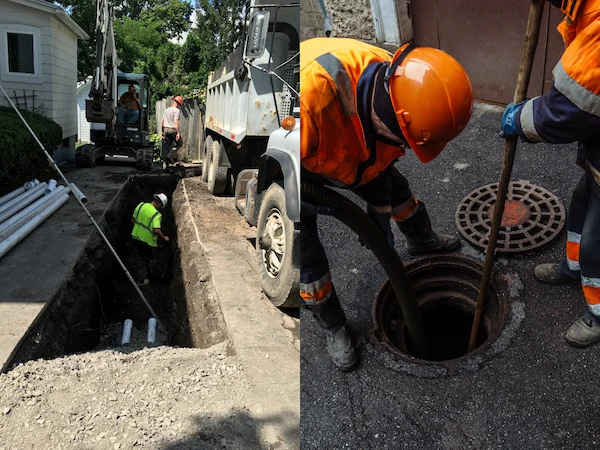
Here’s a side-by-side comparison of the two methods:
| Factor | Trenchless Repair | Traditional Repair |
|---|---|---|
| Soil Disruption | Minimal disruption to your property | High, involves digging a trench |
| Landscape Impact | Preserves desert plants and hardscape | Significant damage and restoration costs |
| Durability in Expansive Soils | Flexible liners resist cracking | Rigid pipes may shift or separate again |
| Time & Cleanup | 1–2 days | Up to a week or more |
| Cost | Moderate to high | Low |
When to Choose Trenchless Sewer Line Repair vs Traditional
So which method is right for your home? Here’s how to decide:
Choose Trenchless Repair When:
- You’re dealing with pipe shifting issues like small cracks or offsets.
- You need pipe belly repair in Phoenix due to minor sagging or blockages.
- You want to protect your landscaping or driveway from excavation.
- You have older galvanized or clay pipes ready for reinforcement.
Choose Traditional Repair When:
- The pipe has fully collapsed or is completely blocked.
- Access points are limited, or soil instability is too severe.
- You’re replacing an entire system and want full visual confirmation of the condition.
In most cases, a professional camera inspection will confirm which method makes the most sense.
Still having a hard time deciding between trenchless sewer repair vs traditional?
Schedule a FREE Pipe Inspection Today
Phoenix Insider: How to Prevent Future Pipe Shifting in Arizona
Preventing future damage starts with stabilizing the environment around your pipes. Here are some expert tips:
- Maintain consistent soil moisture. During dry months, over-drying can lead to contraction and pipe movement. Light, regular irrigation can help balance the soil.
- Check drainage after monsoon storms. Poor runoff can cause soil washouts around buried lines.
- Repair or replace damaged sewer lines. Old materials are especially vulnerable to expansive soil pipe damage.
- Schedule annual inspections. A quick camera check each year can catch early signs of shifting or blockage before it becomes costly.
- Consider soil-friendly landscaping. Xeriscaping with gravel and desert plants helps reduce erosion while maintaining stable ground moisture.
The No. 1 Solution For Your Sewer Line Problems
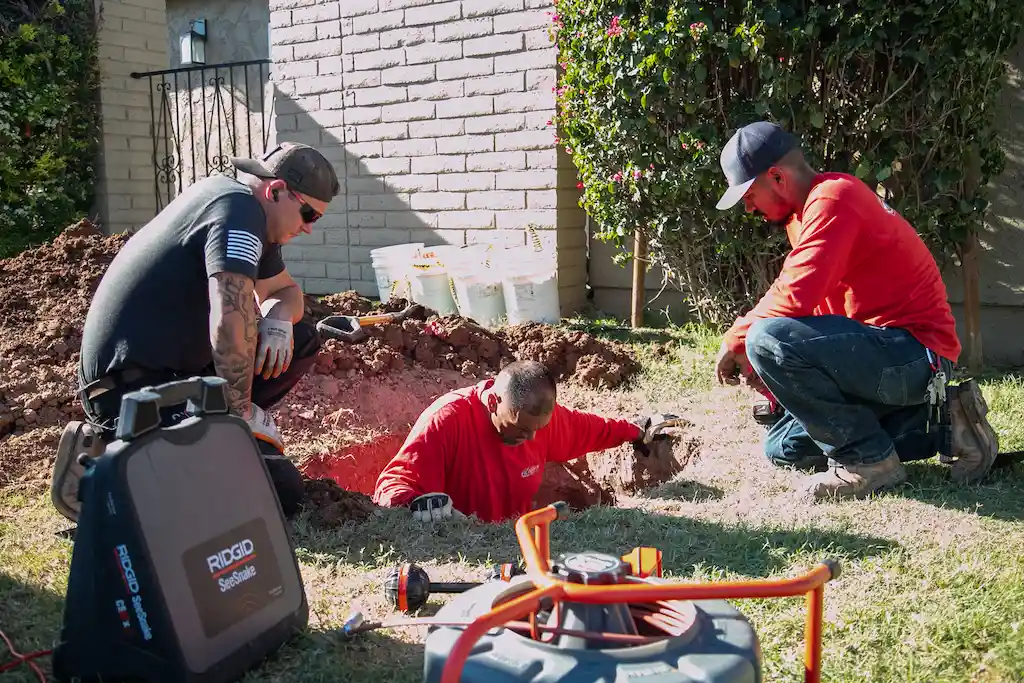
Phoenix’s soil isn’t going to get any gentler on your plumbing – but with modern trenchless Arizona technology, you can stay one step ahead.
It’s time to make an informed decision. Don’t wait until a small leak becomes a major excavation project. Talk to an expert plumber in Phoenix today and find out which solution fits your home best.



 Main Office (602) 755-9373 | 2001 W Cheryl Dr, Ste B1, Phoenix, AZ 85021